



A Complete Guide to Cooker Hood Filters: How to Clean & When to Replace
In the modern kitchen, the cooker hood is the unsung hero. It works quietly in the background, protecting your home from lingering cooking smells, greasy air, and excess steam. When you are frying, searing, or simmering, it’s the appliance that stops your entire house from smelling of last night’s dinner and prevents that sticky, greasy film from building up on your cupboards and surfaces.
But for this hero to do its job, its filters must be in top condition. A clogged or saturated filter means your hood cannot trap grease and odours effectively. The motor has to work harder, suction power plummets, and your kitchen air stays full of contaminants.
Maintaining your cooker hood filter is one of the most important jobs in the kitchen, but the correct method depends entirely on what type of hood you have. Are you supposed to clean your filter or replace it? This complete guide will answer that question and show you how to do it right.

First, What Type of Cooker Hood Do You Have?
Before you can start any maintenance, you need to identify your cooker hood type. There are two main kinds, and they use different filter combinations.
1. Ducting (or Vented) Hoods These hoods are vented to the outside. They suck in the air from your kitchen, trap the grease, and then expel the fumes, steam, and odours directly outdoors through a pipe.
-
Filters used: They primarily use metal grease filters to trap grease particles.
2. Recirculating (or Ductless) Hoods These hoods are common in flats or where venting to an outside wall is not possible. They suck in the air, filter it, and then release the "cleaned" air back into the kitchen.
-
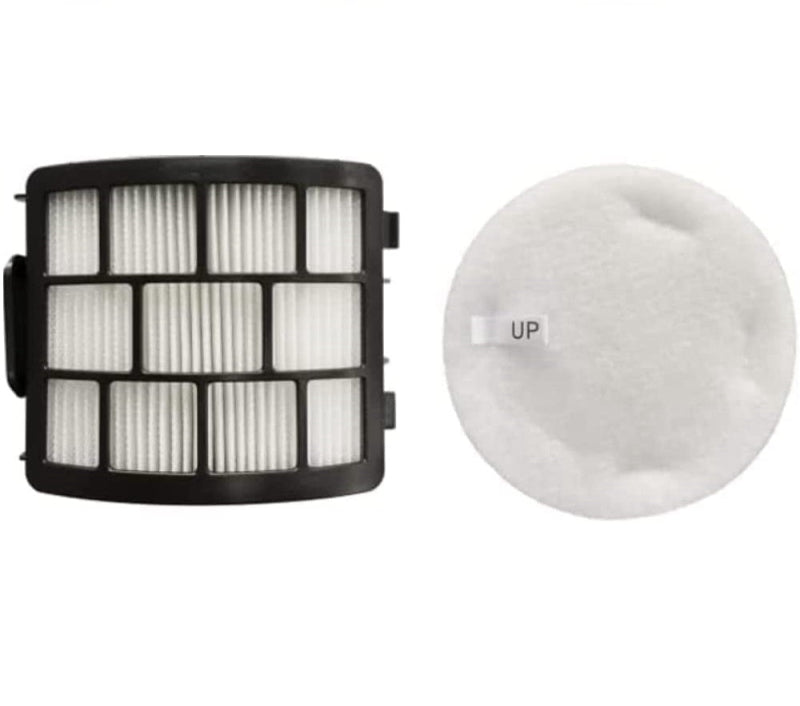
Filters used: They use a two-stage system. First, metal grease filters to trap grease, and second, carbon or charcoal filters to neutralise and trap odours.
Once you know your setup, you can follow the correct maintenance path.
How to Clean Your Metal Grease Filter (The "How-To" Guide)
Every cooker hood has a metal mesh filter (or sometimes two) as the first line of defence. This filter is designed to be permanent and washable. Its only job is to trap airborne grease. Over time, it becomes clogged and saturated, which blocks airflow. You should aim to clean this filter at least once a month.
Step-by-Step Cleaning Guide:
-
Remove the Filter: Most metal filters are held in place with a simple latch or clip. Gently release it and slide the filter out. It will likely be sticky and greasy.
-
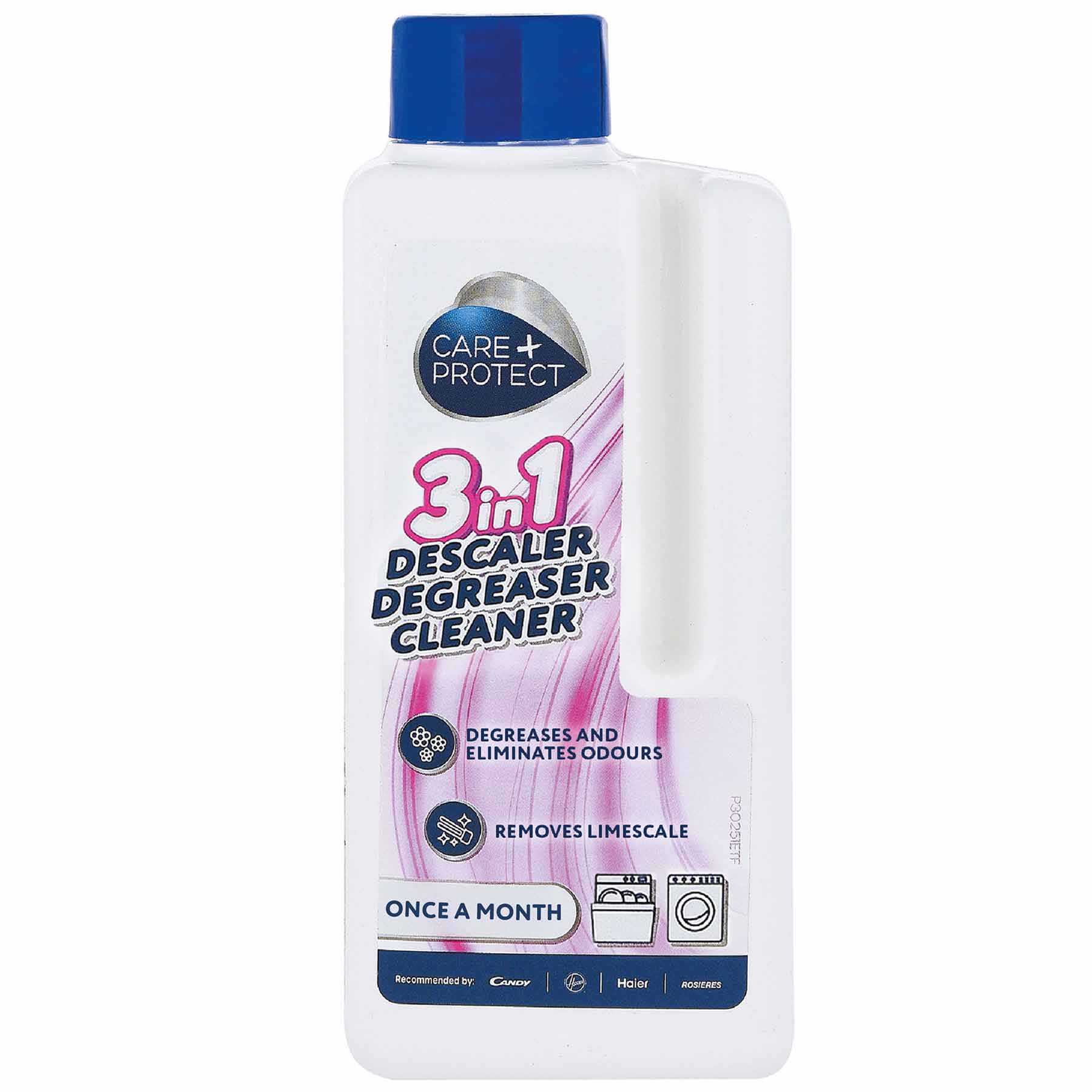
Apply a Degreaser: This is the most crucial step. A standard washing-up liquid will struggle with the thick, polymerised grease. You need a specialist cleaner. A professional Degreaser for Stainless Steel Surfaces and Hoods is formulated to dissolve this specific kind of grime. Spray the filter generously on both sides and let it sit for 5-10 minutes to break down the grease.
-
Soak in Hot Water: Fill your sink or a large basin with very hot (but not boiling) water and some washing-up liquid. Place the degreased filter into the water and let it soak for at least 15-20 minutes.
-
Scrub Gently: After soaking, use a non-abrasive brush (like a dish brush) to scrub the filter. The grease, now loosened by the degreaser, should come away easily. Pay attention to the corners and edges.
-
Rinse and Dry: Rinse the filter thoroughly under hot running water. Make sure all soap and degreaser residue is gone. Let the filter air-dry completely before putting it back. You can pat it with a clean towel to speed this up.
When to Replace Your Carbon/Charcoal Filter (The "When-To" Guide)
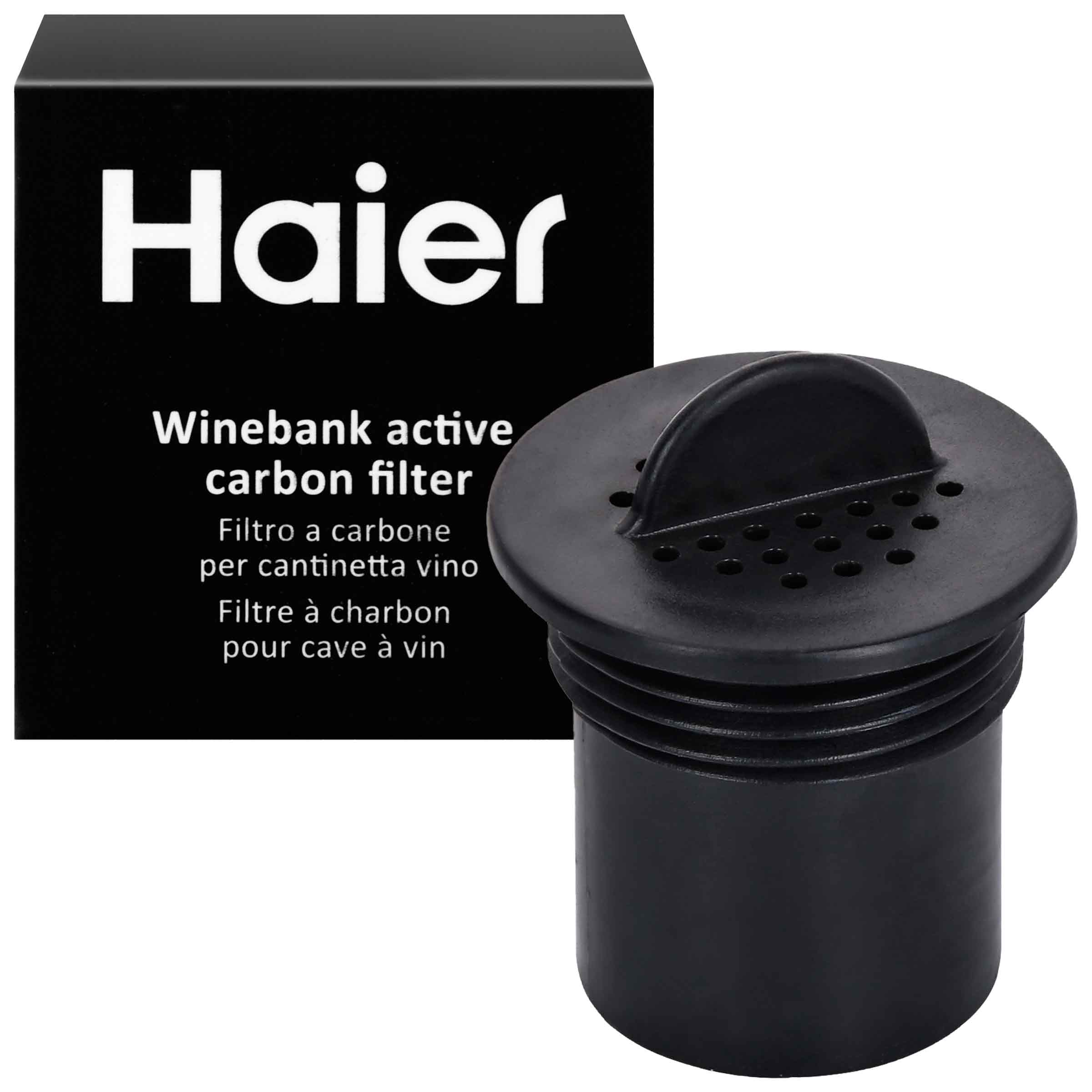
If you have a recirculating hood, you have a second filter hidden inside, usually behind the metal grease filter. This is your carbon or charcoal filter. Its job is to absorb and neutralise smells.
Important: These filters are not washable. Once they are saturated with odours, they are finished. Washing them will destroy their effectiveness.
You need to replace your carbon filter regularly. The exact timing depends on how much you cook, but here are the common signs that it is time for a change:
-
Lingering Smells: The most obvious sign. If you cook fish or curry and the smell is still hanging around the kitchen an hour later, your carbon filter is no longer working.
-
Reduced Suction: A saturated carbon filter can also become clogged and block airflow, making your hood's fan seem weaker and noisier.
-
The Time Test: As a general rule, you should replace your carbon filter every 3 to 6 months to ensure your kitchen air stays fresh.
Choosing the Right Replacement Filter (Your Product Guide)
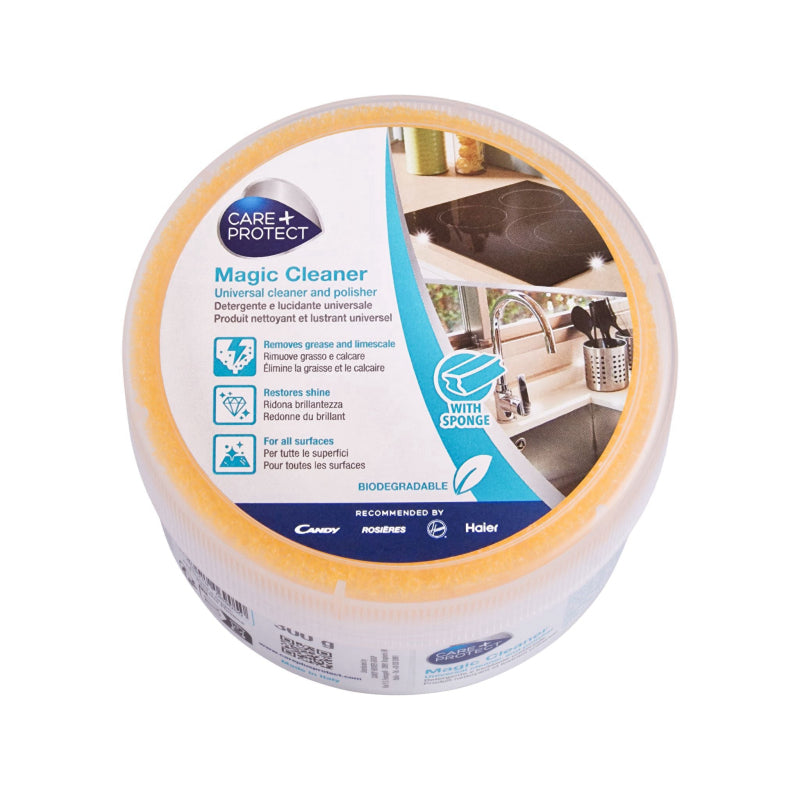
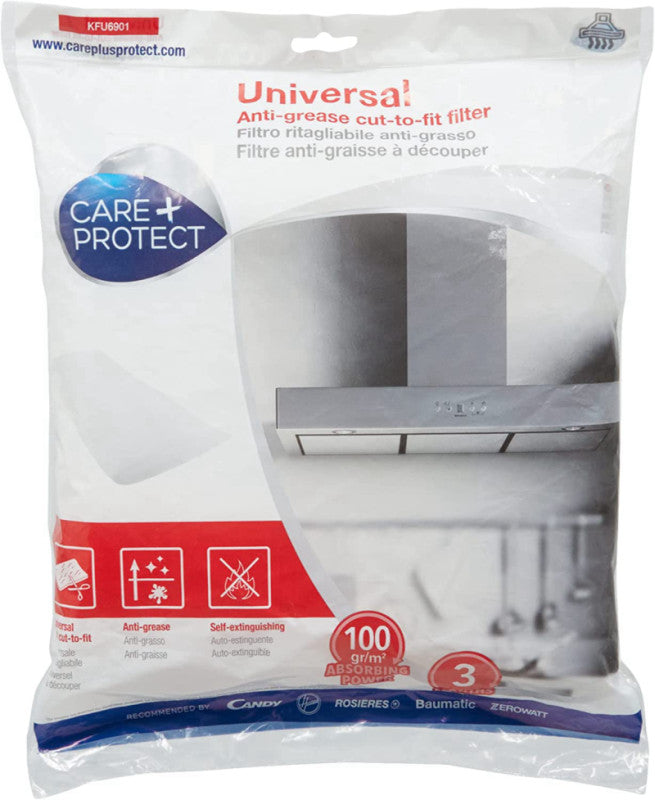
Replacing a filter is a quick and easy job. You just need to buy the right one. While some hoods require a specific branded cartridge, most can use a universal, cut-to-fit filter, which is a fantastic, cost-effective solution.
Instead of being confused by the options, here is a simple guide to choosing the best Care+Protect replacement filter for your needs.
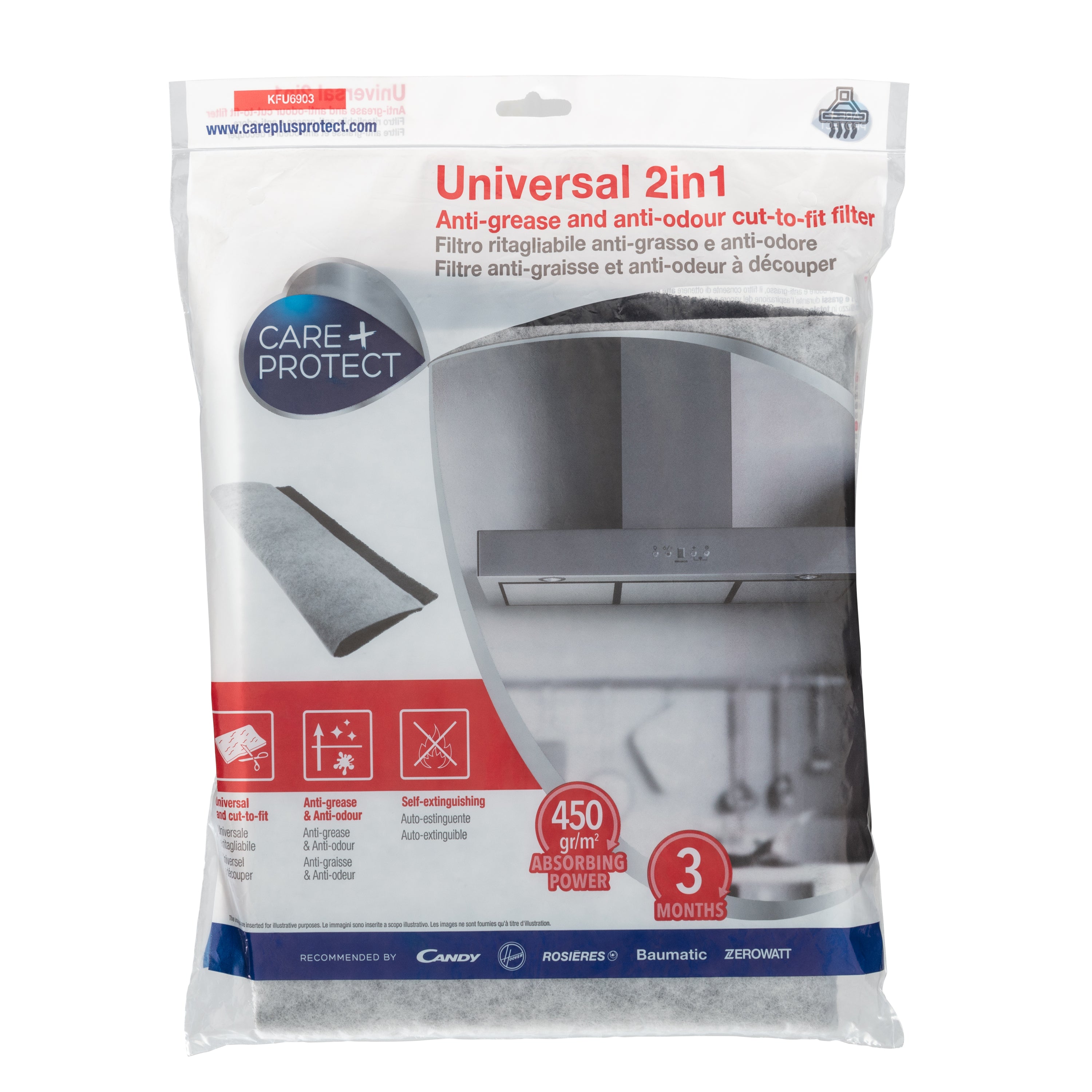
1. The All-in-One Solution If you want a simple, one-stop solution for your recirculating hood, the Universal 2-in-1 Anti-Grease and Anti-Odour Cut to Fit Filter is your best choice. It combines an anti-grease layer and an anti-odour carbon layer in one sheet. This makes it perfect for hoods that only have space for a single filter but need to do both jobs.
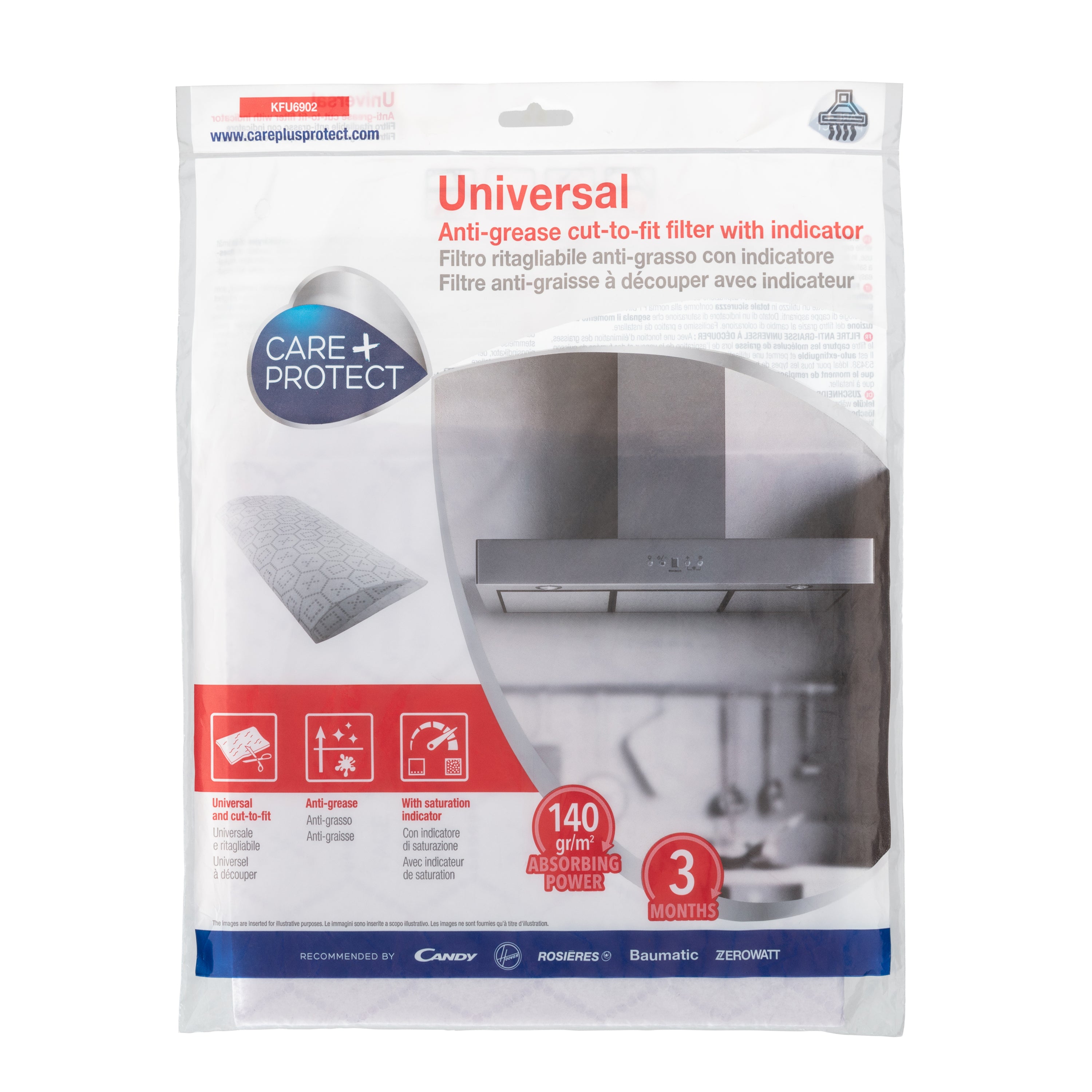
2. The Smart Filter Tired of guessing when your filter is saturated? The Anti-Grease Cut to Fit Filter with Saturation Indicator is the clever choice. This filter features a special indicator that changes colour as it absorbs grease. It gives you a clear, visual sign that it is time for a change, taking all the guesswork out of maintenance.
3. The Odour-Specific Solution If your hood already has a powerful metal grease filter and your main concern is smells, the Universal Anti-Odour Cut to Fit Filter is the perfect replacement for your carbon filter. Made from high-quality activated carbon, it is designed specifically to trap and neutralise the smoke and odours from cooking, keeping your kitchen air fresh.
A Fresh Kitchen Awaits
A few minutes of simple maintenance on your cooker hood filters can completely transform your kitchen. It results in fresher air, cleaner surfaces, and a more powerful, quieter, and longer-lasting appliance. Whether you are deep-cleaning a greasy metal filter or swapping out a saturated carbon filter, it is a small task that makes a huge difference.
Take control of your kitchen's air quality. Explore the full range of Care+Protect cooker hood filters and cleaners today.

Leave a comment