










A Comprehensive Guide to Different Types of Steam Irons for Home Use

Steam irons have revolutionised the way we tackle wrinkled clothes and fabrics, making the ironing process quicker and more efficient. With a variety of steam irons available in the market today, it can be overwhelming to choose the right one for your needs. In this article, we will explore the different types of steam irons for home use, highlighting their features, benefits, and considerations. If you're buying an iron for the first time or replacing an old one, this guide will help you make an informed decision. If your iron doesn't already need replacing then you can choose from our wide range of iron maintenance products.
Traditional Steam Irons:
Traditional steam irons are the most common type found in households. They come with a water tank that releases steam through small vents on the iron's soleplate. These irons are versatile, affordable, and offer various steam settings for different fabric types. They are suitable for everyday ironing needs and are generally lightweight and easy to manoeuvre.
Steam Generator Irons:
Steam generator irons consist of a separate water tank and a base unit connected to the iron by a hose. These irons produce a higher volume of continuous steam, making them ideal for tackling larger piles of laundry or stubborn wrinkles. The separate water tank allows for longer ironing sessions without the need for frequent refills. Steam generator irons are known for their powerful performance and efficiency, making them a popular choice for frequent ironing tasks.
Vertical Steamers:
Vertical steamers, also known as garment steamers or clothes steamers, are designed for quick and efficient wrinkle removal on hanging garments. These handheld or freestanding devices use hot steam to relax the fabric, eliminating wrinkles without the need for an ironing board. Vertical steamers are particularly useful for delicate fabrics, drapes, and upholstery. They offer convenience, ease of use, and are an excellent alternative for those who prefer a gentler approach to ironing.

Cordless Steam Irons:
Cordless steam irons offer freedom of movement and eliminate the hassle of dealing with tangled cords. These irons come with a charging base, allowing you to heat them up and use them cord-free for a specific duration. Cordless irons are perfect for quick touch-ups, travelling, or ironing in areas without easily accessible power outlets. While they offer convenience, it's important to note that their heating capacity and steam output may not be as robust as corded models.
Travel Steam Irons:
Designed with portability in mind, travel steam irons are compact, lightweight, and easy to pack. They often come with dual voltage capabilities, allowing you to use them internationally with the appropriate adapters. Travel irons are suitable for light ironing needs while on the go, and they usually have foldable handles or a compact design to save space in your luggage.
Steam iron vs steam generator iron
A steam iron heats water in a tank inside the iron and releases steam through small vents in the soleplate. It is versatile, affordable and light, which makes it a good fit for everyday ironing.
A steam generator iron keeps its water in a separate base unit connected to the iron by a hose. That design produces a higher volume of continuous steam and lets you iron for longer without refilling, so it suits large piles of laundry, stubborn creases and frequent ironing. You will need room for the base unit as well as the iron.
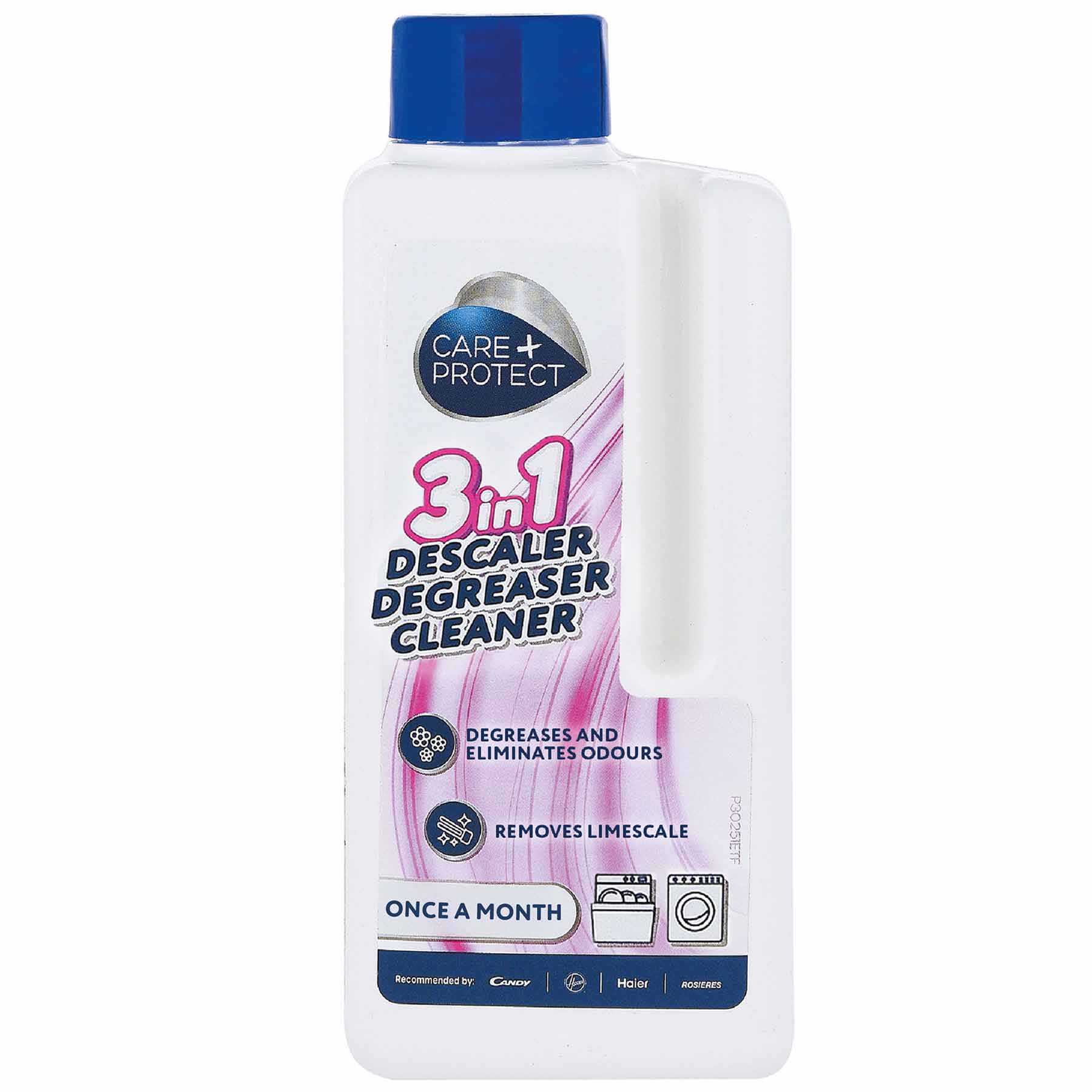
Both types make steam, so both need descaling. Limescale builds up in the steam vents of steam irons and on the heating elements of steam generator irons.
Types of steam iron compared
| Type | How it works | Best for | Good to know |
|---|---|---|---|
| Traditional steam iron | Water tank in the iron, steam through vents in the soleplate | Everyday ironing | Versatile, affordable and lightweight |
| Steam generator iron | Separate water tank and base unit, connected by a hose | Large loads and frequent ironing | Continuous steam and fewer refills |
| Vertical steamer | Hot steam relaxes the fabric of hanging garments | Delicates, drapes and upholstery | No ironing board needed |
| Cordless steam iron | Heats on a charging base, then used without a cord | Quick touch-ups | Heat and steam may be lower than corded models |
| Travel steam iron | Compact and lightweight, often dual voltage | Ironing on the go | Suits light ironing needs |
Things to consider when buying a steam iron:
Wattage: Higher wattage ensures faster heat-up and increased steam production.
Soleplate Material: Options include stainless steel, ceramic, non-stick, or titanium soleplates, each with its own benefits in terms of durability and glide.
Steam Settings: Look for irons with adjustable steam settings to accommodate different fabrics and ironing requirements.

Water Tank Capacity: Consider the size of the water tank, as larger tanks require fewer refills during ironing sessions.
Auto Shut-Off: A safety feature that automatically turns off the iron when it's left unattended for a certain period, providing peace of mind.
Looking after your steam iron
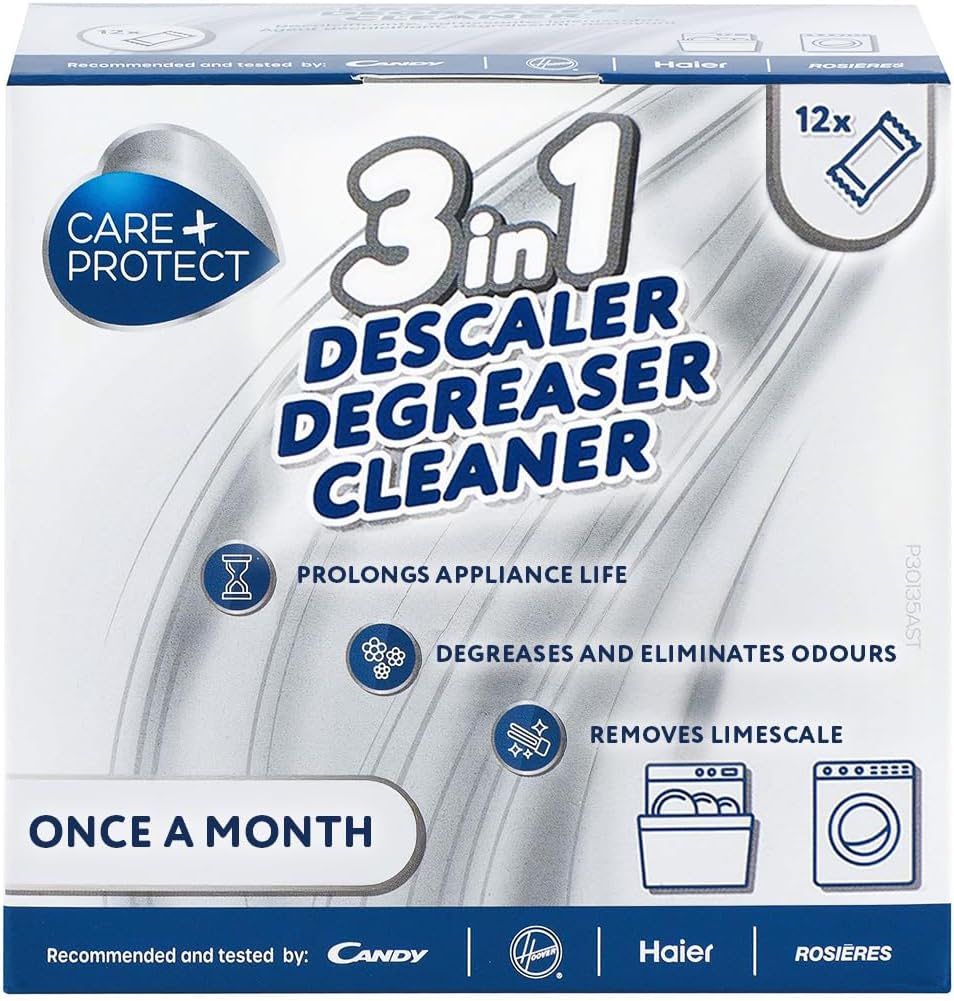
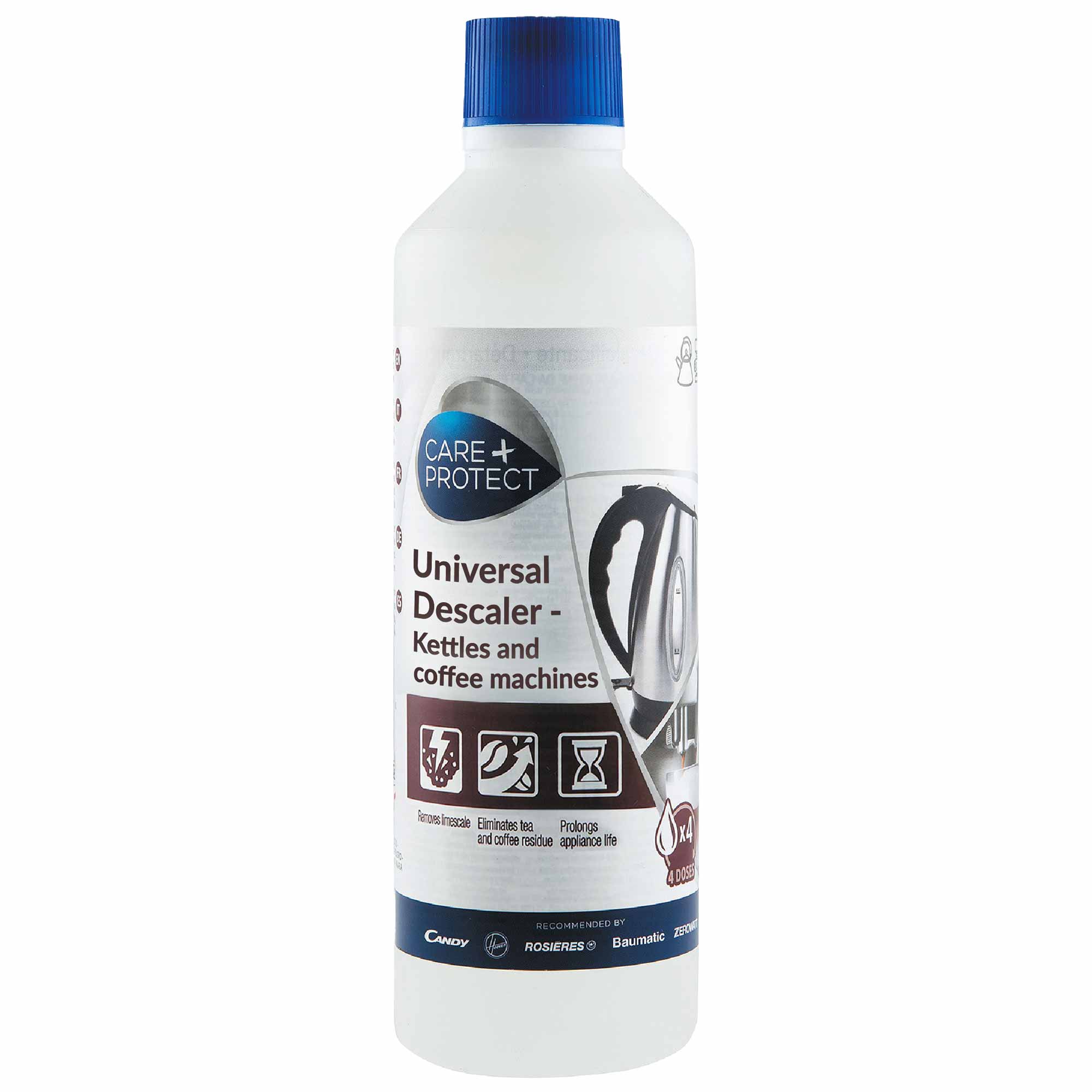
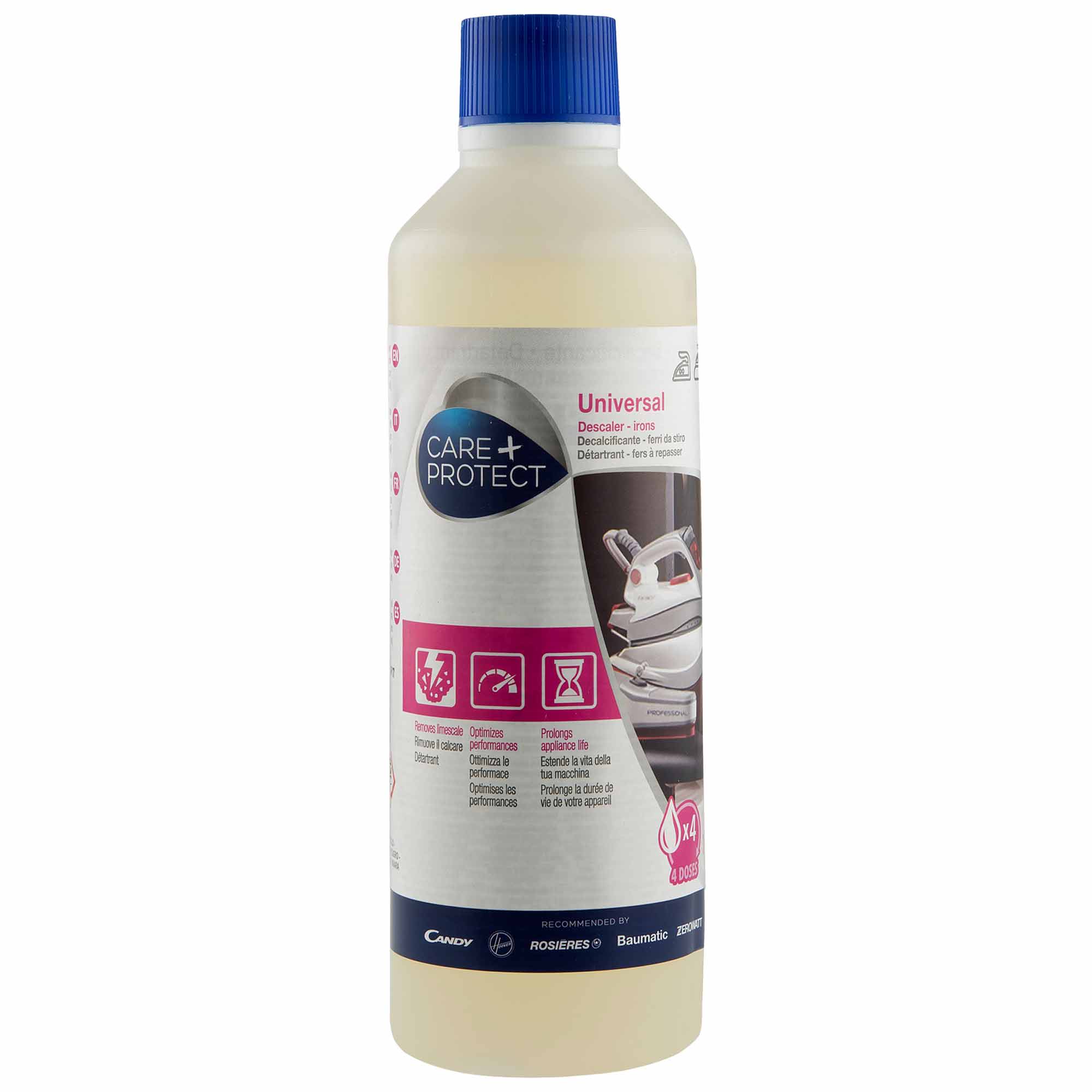
Whichever type you choose, regular care keeps it working well. Descale it with a liquid descaler to stop limescale clogging the vents, and keep the soleplate clean so it glides and does not mark your clothes. Our guide on how to clean your iron inside and out covers both.
Steam iron FAQs
What is the difference between a steam iron and a steam generator iron?
A steam iron has its water tank built in. A steam generator iron has a separate base unit and hose, which gives more continuous steam and longer ironing sessions between refills.
Are cordless irons as powerful as corded ones?
Not always. Cordless irons are convenient, but their heating capacity and steam output may not be as strong as corded models.
Which soleplate material is best?
It depends on what matters most to you. Stainless steel, ceramic, non-stick and titanium soleplates each have their own benefits for durability and glide.
Do steam irons need descaling?
Yes. Minerals in tap water build up inside any iron that makes steam. A monthly treatment with an iron descaler is recommended.


Leave a comment