










The Relationship Between Allergies and Laundry Detergents: How Hypoallergenic Options Can Help
Dealing with allergies and sensitive skin can be a headache, especially when it comes to everyday chores like laundry. As professionals from Haier Europe, home to globally recognised appliance brands such as Haier, Hoover, and Candy, we understand the challenges homeowners face. Care+Protect is your reliable and trustworthy partner in home appliance care, and we're here to help you navigate the relationship between allergies and laundry detergents. This guide will explore how hypoallergenic options can help, ensuring your laundry routine is safe and comfortable for your family.
Understanding Allergies and Irritants in Your Laundry
Allergies are a reaction by your body’s immune system to a foreign substance, known as an allergen. Many everyday products, including laundry detergents, can be a source of these irritants. When your skin comes into contact with clothing that has residue from a harsh detergent, it can lead to contact dermatitis—a red, itchy rash. The most common allergens found in standard laundry detergents include:
-
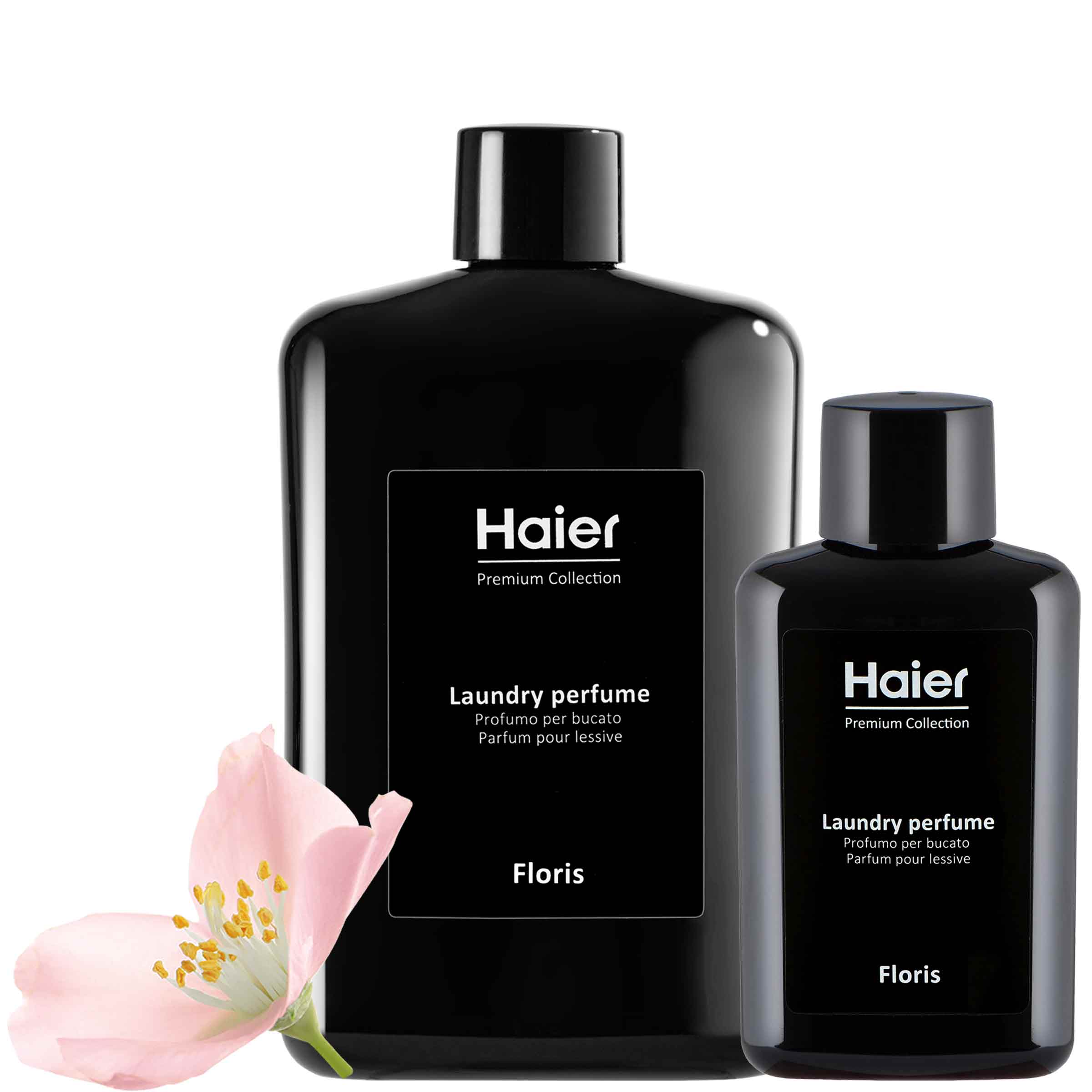
Fragrances: These are the most frequent cause of skin reactions and can also trigger respiratory issues in sensitive individuals. While many laundry products contain fragrances that can cause irritation, using a separate laundry scent booster gives you control over the intensity of the fragrance.
-
Dyes: Used to make detergents look more appealing, dyes can be irritants and cause allergic reactions.
-
Preservatives: Certain preservatives designed to extend a product's shelf life can also trigger allergic reactions.

Could your laundry detergent be the cause?
If you think your laundry could be behind a skin problem, a few questions help narrow it down:
- Did anything change? A new detergent, fabric softener or scent booster is the first thing to check.
- Are you using the right amount? Too much detergent, or an overloaded machine, can leave residue in the fabric.
- Is the rinse thorough? A double rinse removes more detergent residue.
- Is the machine clean? Detergent residue and mould can build up inside a washing machine that is not cleaned regularly.
To test a new detergent, wash a small piece of fabric with it and wear it against your skin for a day before switching fully. If you have a rash or any reaction that does not settle, speak to a GP or pharmacist.
Why Hypoallergenic Detergents are a Better Choice
Hypoallergenic laundry detergents are specially formulated to reduce the risk of allergic reactions. They are typically free from harsh chemicals, fragrances, and dyes, making them ideal for people with sensitive skin, eczema, or psoriasis. By using a hypoallergenic option, you're choosing a gentler, more considerate approach to cleaning.
At Care+Protect, our commitment to environmental responsibility means we use raw materials responsibly in our products. This is especially evident in our ECO+ range, which provides powerful and effective cleaning solutions that are also kinder to the planet and your skin. By choosing our green solutions, you don't have to compromise on cleanliness to be eco-friendly or allergy-conscious. Our products are top quality and highly effective, as approved by the Good Housekeeping institute.
What to switch to
Look for products that leave out the most common irritants in laundry: fragrances, dyes and certain preservatives. Read the facts about hypoallergenic laundry detergent for more on what the label means.
- A hypoallergenic detergent. Our ECO+ Laundry Detergent is hypoallergenic and Ecolabel certified, made with plant-based biodegradable materials and effective even at 30°C.
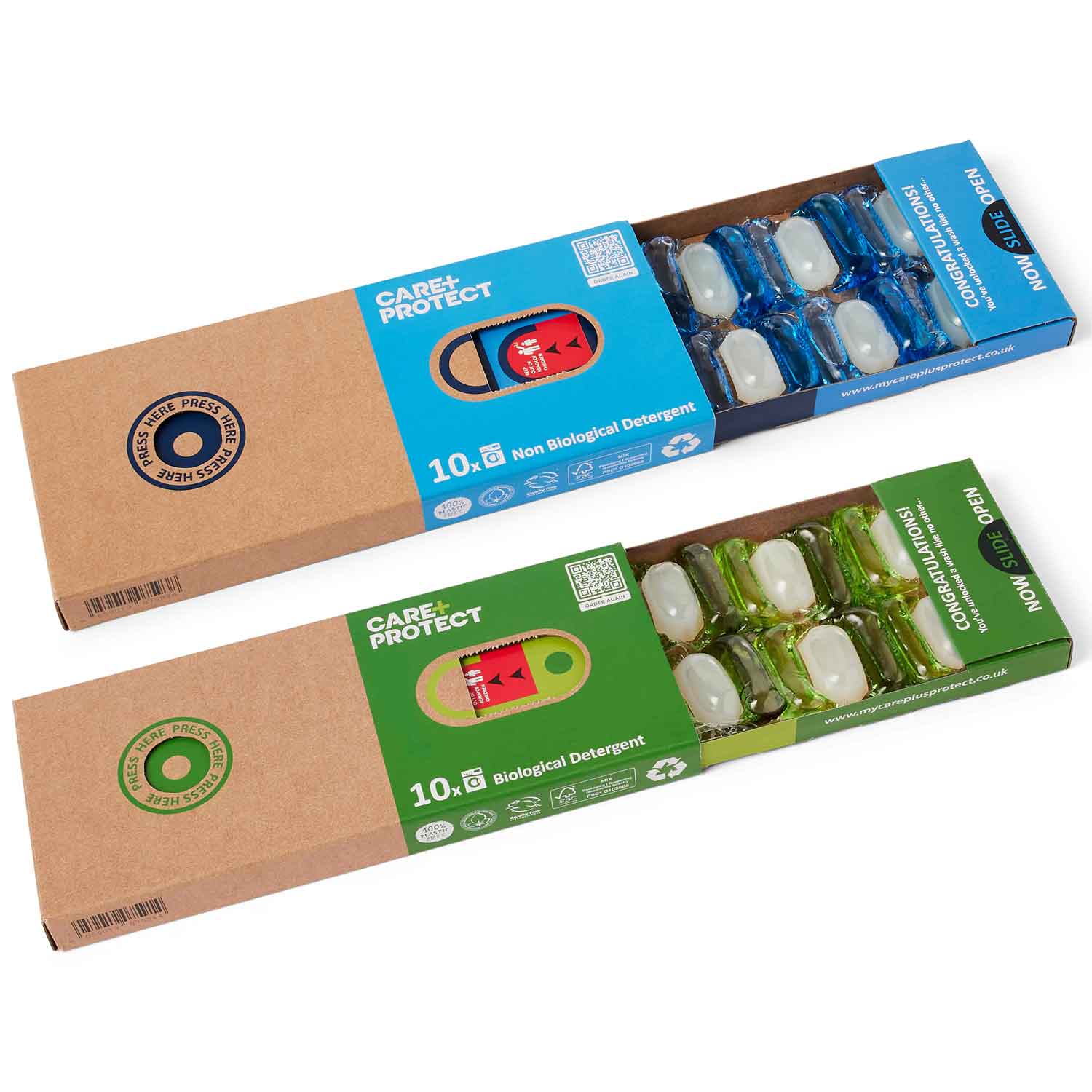
- A non-bio detergent. Non-bio detergents contain no enzymes, so they are less likely to irritate sensitive skin. Our guide to bio vs non-bio detergents explains the difference.
- A gentle fabric softener. ECO+ Fabric Softener is hypoallergenic, dermatologically tested and free from dyes, EDTA and phosphates.
- Fragrance you control. An unscented detergent with a separate scent booster lets you choose how much fragrance goes into each wash, or leave it out altogether.
Tips for a Hypoallergenic Laundry Routine
Adopting a hypoallergenic laundry routine doesn't have to be complicated. Here are some simple steps to ensure your clothes are clean and free from irritants:
-
Read the Labels: Always look for detergents labelled as 'hypoallergenic' and check the ingredient list for potential allergens.
-
Use the Right Amount: Avoid using too much or too little detergent. Follow the instructions on the packaging to ensure a proper clean without leaving residue behind.
-
Rinse Thoroughly: A thorough rinse cycle is essential to remove any lingering detergent residue from the fabric.
-
Don't Overload the Machine: Overloading your washing machine can prevent a proper wash and rinse, leading to detergent residue being left on your clothes.
-
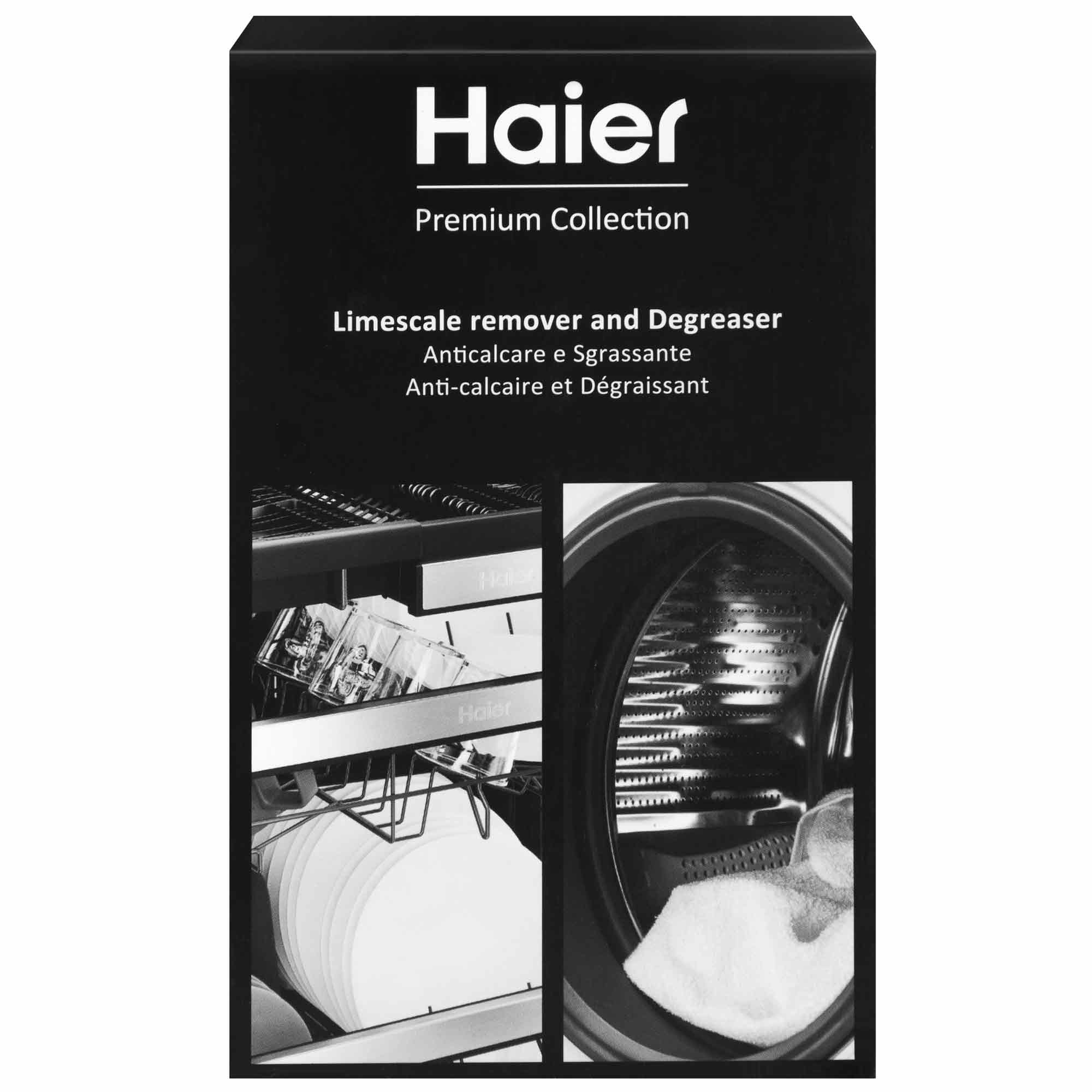
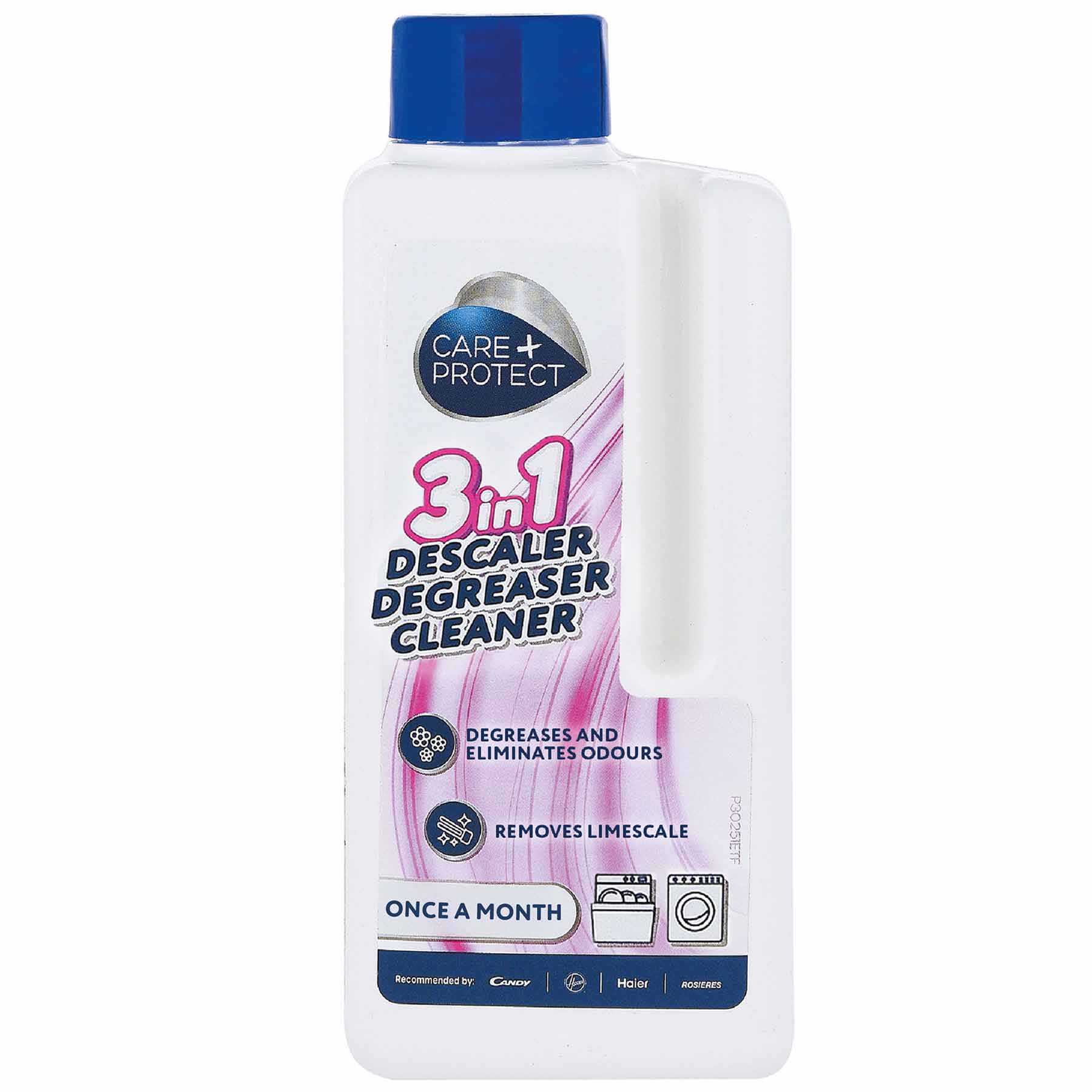
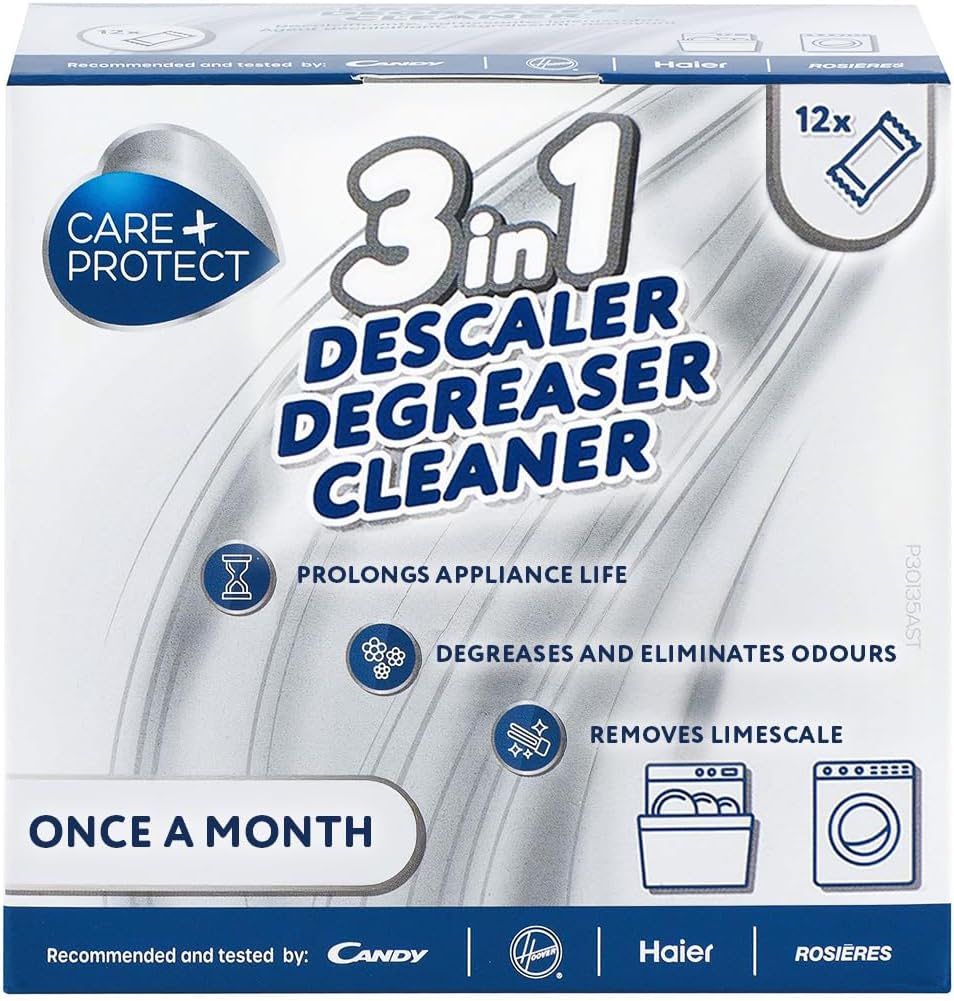
Incorporate a Descaler: Hard water contains minerals that can reduce the effectiveness of your detergent and leave a residue on your clothes. Using an appliance descaler can help maintain your machine’s efficiency and ensure a cleaner wash.
By making these small changes and choosing the right products, you can create a safe, allergen-free laundry routine for everyone in your home. Care+Protect is committed to providing high-quality, professional-grade products that extend the lifespan and efficiency of your home appliances while being considerate of your family’s well-being and the environment.
Laundry detergent allergy FAQs
What in laundry detergent most often causes irritation?
Fragrances are the most frequent cause of skin reactions to laundry products. Dyes and some preservatives can also be irritants.
Is non-bio detergent better if I have sensitive skin?
Non-bio detergents contain no enzymes, so they are less likely to cause irritation and are often recommended for sensitive skin.
Should I wash new clothes before wearing them?
Yes. New clothing can carry chemicals from the manufacturing process, so washing it before the first wear is a good idea, especially for children's clothes.
How can I reduce detergent residue on my clothes?
Use the dose on the packaging, avoid overloading the machine, choose a thorough or double rinse, and clean your washing machine regularly so residue does not build up.


Leave a comment